

by Shane M Grizzle | Updated on November 3, 2023
In preceding blogs, covered within the ‘Build Bridges’ mini-series, Context Diagrams and Stakeholder Mapping were addressed. These tools are instrumental in crafting stakeholder engagement strategies, particularly in scenarios involving organizational shifts or introducing new initiatives that demand a reevaluation of stakeholders.
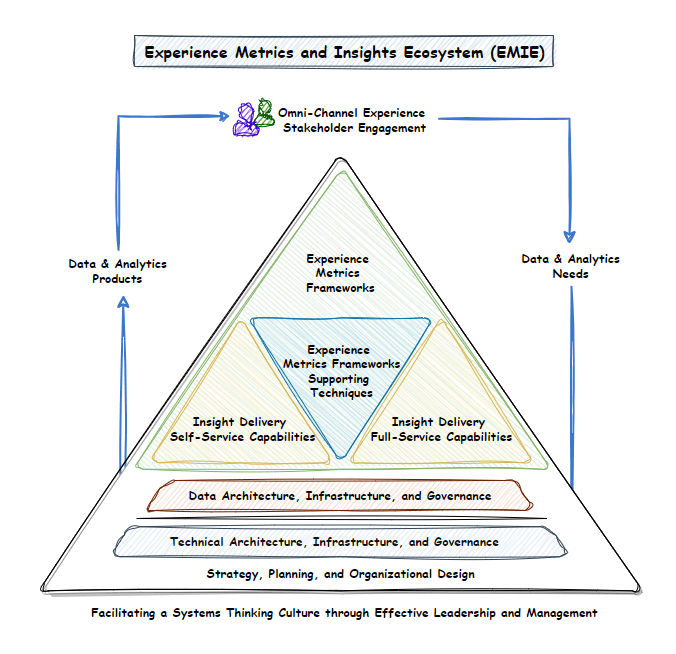
This blog post will pivot to the tools, Communication Plan, and RACI Matrix (Responsible, Accountable, Consulted, and Informed). These tools represent additional milestones in developing a stakeholder engagement strategy. They enable improved relationships and a deeper understanding of stakeholders — a pivotal aspect within the Experience Metrics and Insights Ecosystem (EMIE).
Situation
As highlighted earlier, the benefit of tools like a Context Diagram, Stakeholder Map, Communication Plan, and RACI Matrix surfaces in scenarios involving significant organizational changes, such as a department reorganization or the establishment of a new department. Additionally, when dealing with the deployment of a large-scale project or product, these tools prove invaluable in navigating complexities and ensuring a streamlined approach to stakeholder engagement.
However, the relevance of Communication Plans and RACI Matrices extends beyond this large-scale change. When confronted with ambiguity and misalignment among stakeholders, both tools can help realign activities by enhancing communication channels and clarifying roles and responsibilities. Whether substantial transformations or in the day-to-day intricacies of project management, these tools offer a compass for fostering effective collaboration and mitigating confusion.
Communication Plan
After crafting a Context Diagram and Stakeholder Map, or at the initiation of a new undertaking, establish a Communication Plan. This plan guides you through the steps of information sharing and setting up meeting schedules. While the specifics of developing a Communication Plan differ based on the project, individuals can generally complete the process within a few hours after identifying and analyzing key stakeholders. This exercise not only enhances organizational transparency but also establishes a structured approach to communication. Some high-level considerations for creating a Communication Plan are below.
Creating a Communication Plan
In the previous blog, you completed a stakeholder map, which also encompassed stakeholder analysis. As a result, you understand your stakeholders. Now, you must contemplate the various touchpoints necessary to facilitate effective communication. The execution of your communication plan should ultimately empower and enhance stakeholder engagement.
Description: Think through all aspects of the project. Take into account stakeholder expertise, time commitment, decision-making authority, and influence. If available, consider their social traits (e.g., introvert, extrovert, ambivert) and communication styles. What kinds of touchpoints are required to guide these individuals and move the project forward effectively? Develop a list of descriptions for each touchpoint. Examples may include status meetings, working sessions, management updates, or meetings to discuss critical aspects such as risks, assumptions, issues, and dependencies (RAID).
Frequency: For every identified and described touchpoint, establish the frequency of the interaction, and for meetings define its duration. This step is straightforward – determine whether the communication occurs daily, weekly, monthly, quarterly, on an as-needed basis, etc.
Channel: Determine the channel for managing each communication touchpoint. Will you opt for in-person or virtual meetings, or will the communication be written (e.g., email, memo, etc.)? Other possibilities involve the use of a business messaging application like Slack. If so, specify the Slack Channel and outline expectations for member engagement.
Audience: Identify the specific individuals who will attend or receive the communication. Refer to your Stakeholder Map and Analysis. Decide which stakeholders are essential and which are optional. For instance, subject matter experts who contribute significant time to the project are likely necessary attendees during a working session. In contrast, a decision-maker might be optional during the working session but required during a status update. Additionally, consider recipients of written communication. In emails, primary recipients should include only those directly involved in the matter while reserving the cc line for those you keep informed.
Facilitator: Identify a proactive and organized person to be responsible for each communication touchpoint, such as setting meeting schedules, creating agendas, and sending follow-ups (e.g., meeting minutes). If you are leading the effort, delegate these tasks accordingly. Delegating these responsibilities is a great way to boost engagement among stakeholders.
Other Considerations: Your communication plan is likely to evolve, and that’s perfectly acceptable. Maintain an experimental mindset and be ready to adjust your plan as necessary to cater to the changing needs of the effort. Additionally, remember that your plan is just that – a plan. The effectiveness of your efforts to enhance stakeholder engagement depends on how you execute this plan.
- Meetings should have a clear purpose statement and objective. Determine whether your meeting aims to inform the audience, solicit a decision, or discuss a specific topic (e.g., a problem). Consider incorporating “Inform,” “Decision,” or “Discussion” in the subject line. Additionally, ensure your agenda is appropriately scoped, with each item planned for 10 to 15 minutes. Therefore, a 30-minute meeting will accommodate one or two agenda items. If you expect someone to contribute during the meeting, collaborate with them before setting the agenda to ensure alignment. Once aligned, specify their agenda item within your meeting invitation. Similarly, for meetings – meeting minutes should include a summary of information shared, decisions made, and specific action items and owners.
Note: If you defer decisions repeatedly, you may not be facilitating the meeting effectively. In other words, if your meetings lead to more meetings without clear progress, it’s time to pause and reassess your approach.
- Emails should be clear and concise. The audience and content determine the length of an email. And, assuming we’ve moved beyond grade school, readers should be able to read and comprehend written content swiftly. Nevertheless, as the author, it’s critical to respect others’ time. If your email entails detailed information, consider incorporating a BLUF (bottom line up front) at the beginning of your message or utilizing a different communication format, such as a memo, newsletter, or an alternative written communication form.

RACI
As a component of your Communication Plan, especially when initiating a new project, consider completing a RACI Matrix. This step is likely one of the initial working sessions in your communication plan. The primary goal of this session is to outline high-level deliverables and specify who is accountable, responsible, consulted, or needs to be informed for each deliverable.
For instance, suppose you require business requirements for a dashboard. In this case, the business domain expert stakeholder would be responsible for delivering those requirements, while you, as the project leader, might be accountable for ensuring their timely delivery. Additionally, the business domain expert might need to consult with counterparts in another area for advice and keep their manager informed of progress. Document all these roles and responsibilities in your RACI Matrix.
To be entirely transparent, I’ve observed the RACI Matrix work effectively at the project’s outset. Upon revisiting it, the matrix serves to maintain communication and expectations. However, like any tool, its effectiveness diminishes if not revisited throughout the project’s lifecycle. Therefore, it’s crucial to determine the intended use of the RACI Matrix. If it’s to kickstart the effort, invest only the necessary time to initiate the process—avoid over analyzing details that may not be immediately pertinent.
Final Thoughts – Operational Efficiencies
This blog is the last within the ‘Build Bridges’ mini-series. The series aimed to highlight some tools and techniques that can help individuals, teams, and departments organize their stakeholder engagement strategy. The series is also closely aligned with the ‘Hip Pocket Guide’ mini-series, which targeted team leadership and enabling a system thinking culture. Effective team leadership extends beyond the team to build bridges that form the relationships necessary for delivering success across silos.
The Experience Metrics and Insights Ecosystem (EMIE) is complex. There are an array of experts working toward delivering a unified customer journey – an omni-channel experience. The experts responsible for creating this journey must be interconnected as the degree of harmony achieved, or the absence thereof, directly influences the customer journey. For this reason, leaders operating within the ecosystem must embrace a culture that constantly works to build relationships (i.e., bridges). In doing so, the organization is better positioned to move beyond isolated components, considering the entire ecosystem for a more cohesive and impactful customer experience.
 Shane M Grizzle

Leave a comment